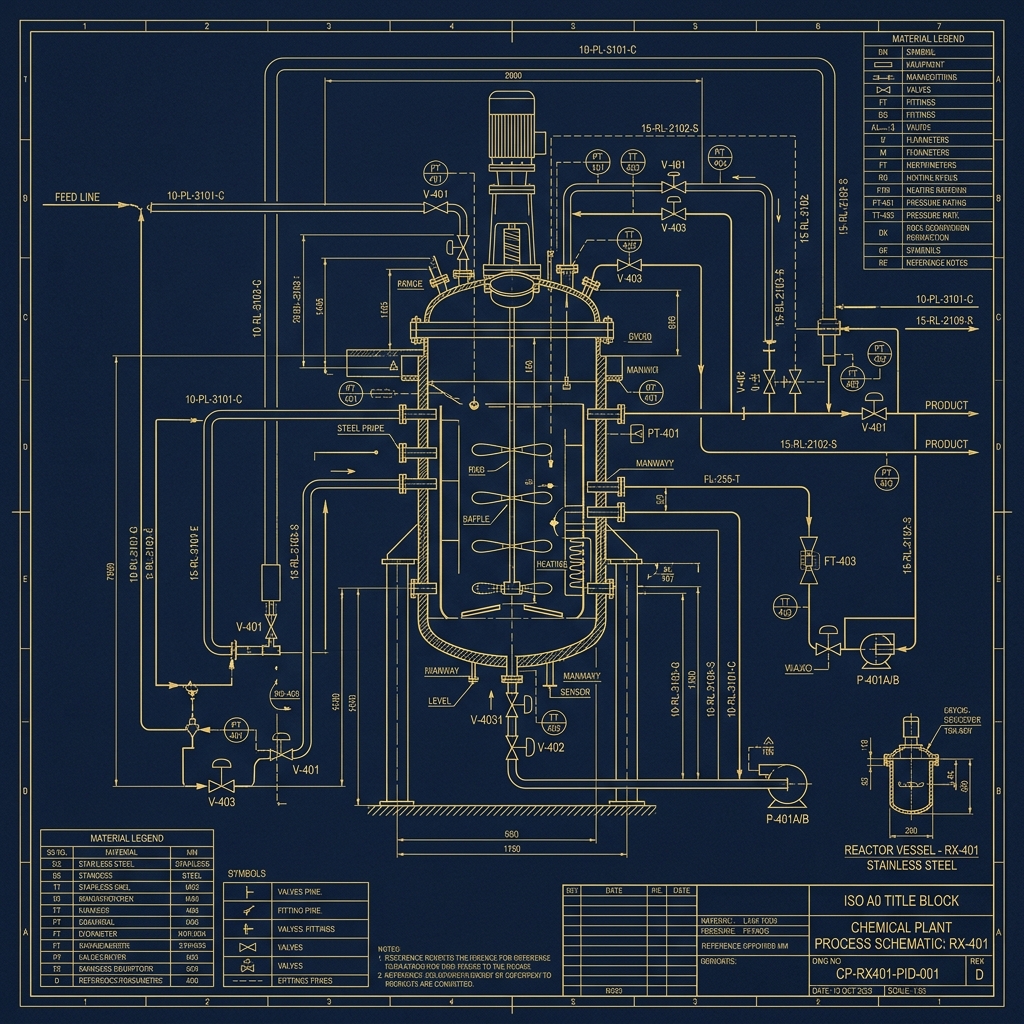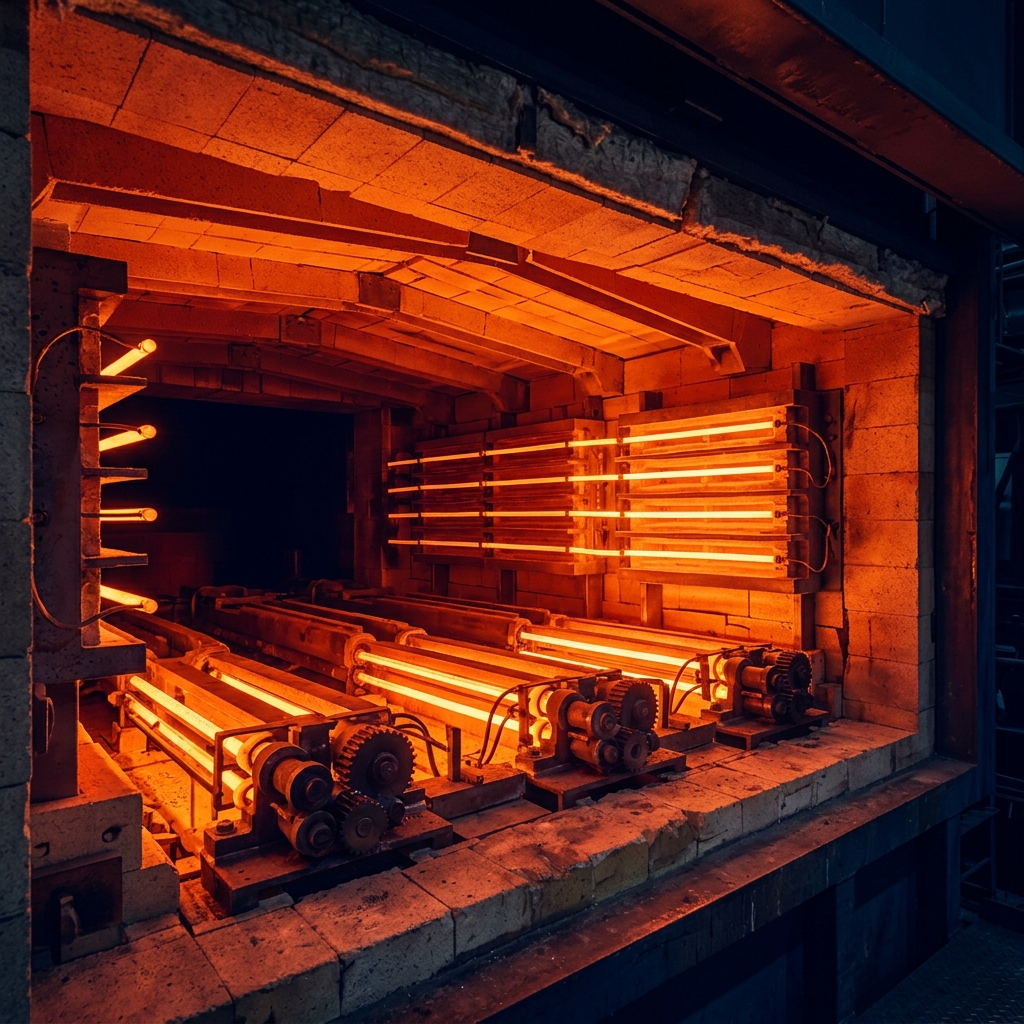
Textbooks vs. Field Realities
Process engineering education is excellent at teaching the theory of chemical plant operations. Thermodynamics, reaction kinetics, control theory, and mass balances are essential building blocks.
However, formal education cannot provide the knowledge that comes from standing inside an operating plant when the pressure drops, the converter temperatures spike, and you have to find the answer. After nearly two decades inside sulfuric acid, phosphoric acid, potassium sulfate, and NPK facilities across Egypt and the Middle East, five core lessons stand out.
Five Core Lessons from the Field
- Plants Behave as Systems, Not Unit Operations: A textbook splits a plant into a reactor, a heat exchanger, and an absorber. In reality, they are deeply interconnected. An temperature spike in the sulfur burner will alter the acid temperature in the final absorption tower hours later. Diagnosing symptoms in isolation leads to circular troubleshooting.
- Operators Hear What Instruments Don't Measure: Modern DCS displays provide invaluable data. But experienced operators develop a physical sensitivity to plant conditions — the pitch of a blower, the smell of gas leaks, or the specific vibration of a slurry pump. Effective troubleshooting integrates DCS data with direct physical feedback from the field.
- The Design is a Starting Point, Not the Answer: No feedstock is pure, and no ambient conditions are static. Every plant operates outside its design basis due to feedstock fluctuations, climate conditions, and equipment wear. Optimizing performance requires finding the plant's actual, real-world operating limits, not relying on the design specifications.
- Diagnostic Speed Matters Most: In a chemical plant, every hour of underperformance carries a direct financial cost. An 80% correct diagnosis delivered in two hours that allows immediate corrective action is far more valuable than a 100% comprehensive study that takes two weeks.
- Trust is Earned on the Deck, Not in the Boardroom: Plant operators and engineers learn quickly whether outside consultants add value or just add paperwork. Credibility is built by standing alongside them on the structure, explaining why a temperature is drifting, and proving it with practical, measurable changes.