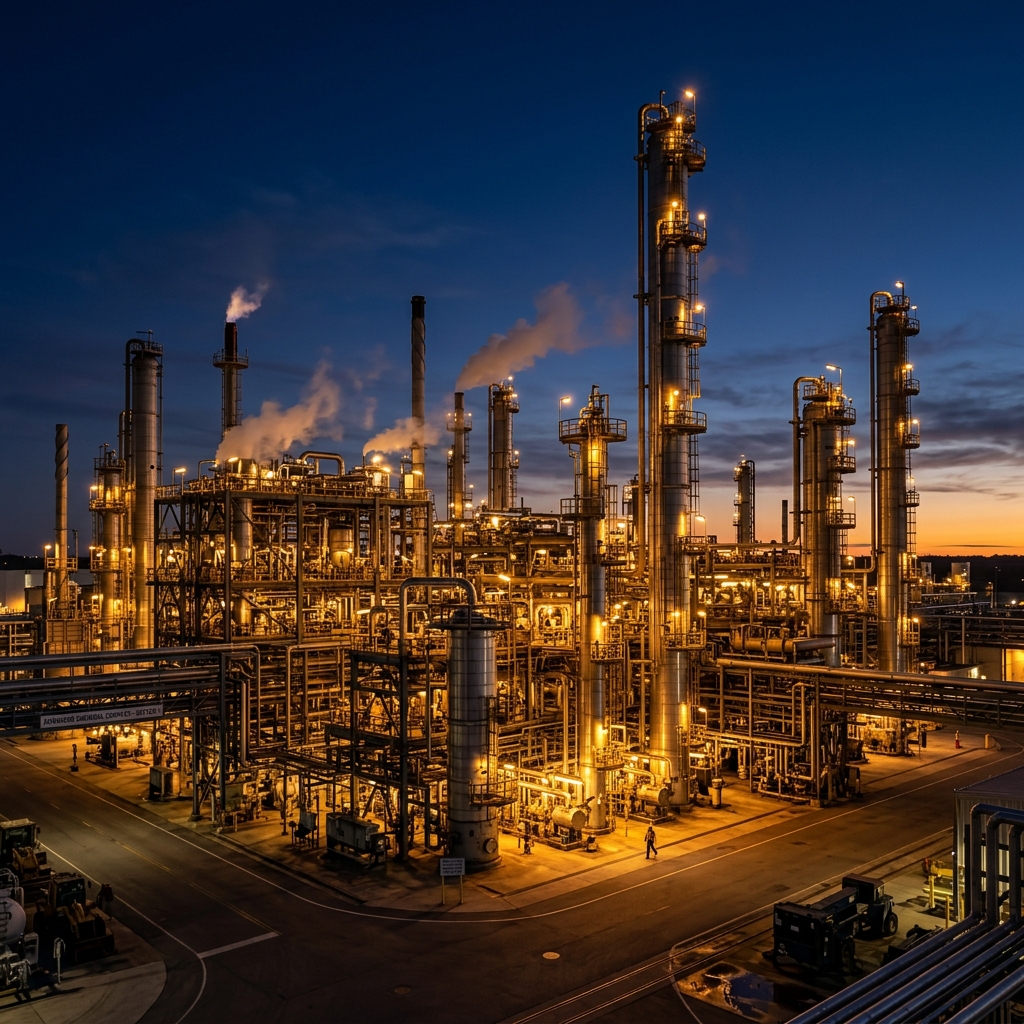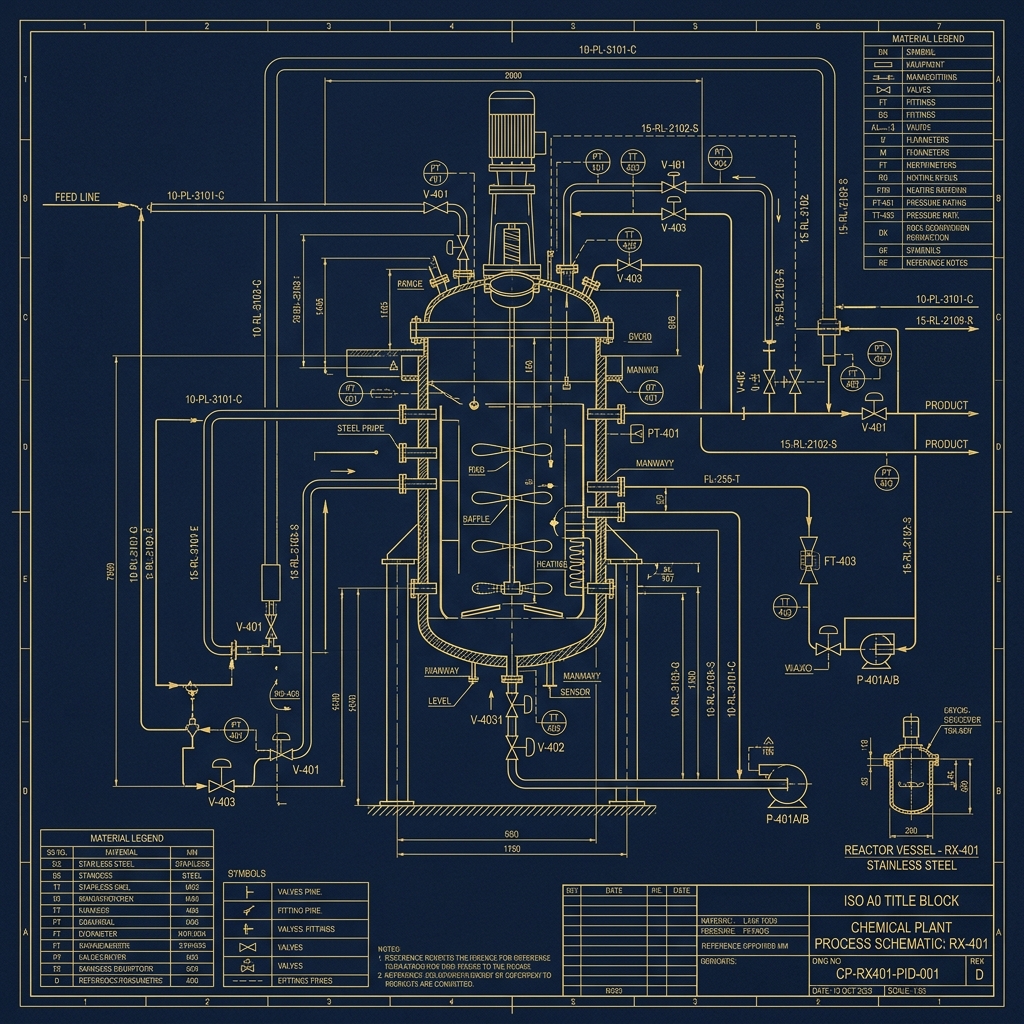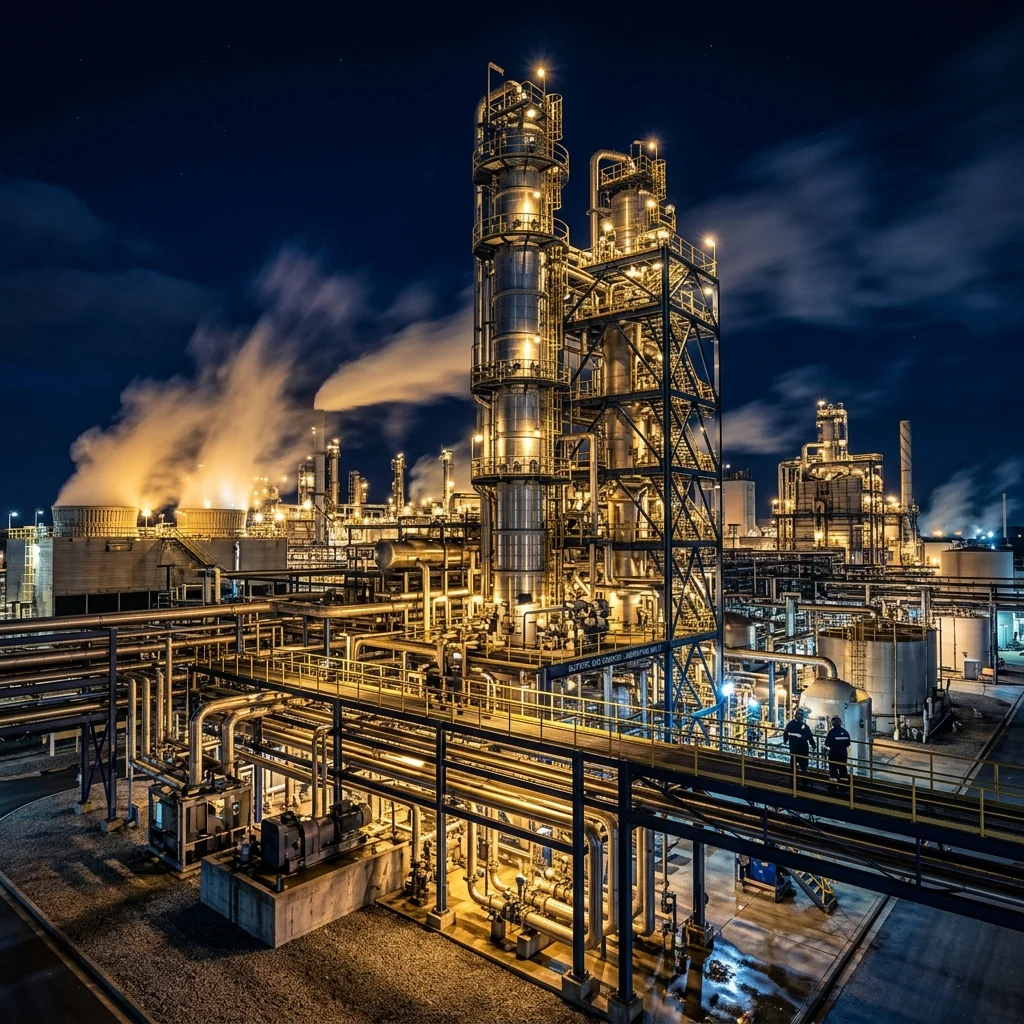
Process Demands of Contact Plants
A sulfuric acid plant using the contact process is, in principle, well-understood technology. The chemistry is established, the equipment configurations are mature, and licensors provide detailed operating manuals.
And yet, sulfuric acid plant startups — particularly in facilities with less experienced operations teams — are among the most operationally demanding in the inorganic chemicals sector. The reason is not the chemistry. It is the sequence.
Staging the Sequence
A contact process H₂SO₄ plant must be brought to operating conditions in a carefully controlled order: 1. Converter Heating: The converter must reach catalyst light-off temperature before sulfur combustion begins. 2. Moisture Protection: The catalyst beds must be protected from condensation at all costs to prevent sulfuric acid condensation and catalyst degradation. 3. Absorption Readiness: The absorption system must be fully active and circulating acid at correct concentrations to handle SO₃ gas before it is produced.
Deviation from the sequence — rushing a step, misjudging a temperature, starting flows in the wrong order — does not always produce an immediate visible failure. Instead, it creates conditions that degrade performance gradually. Catalyst poisoning that reduces conversion efficiency over time. Absorber upsets that affect acid concentration. Emission control systems that struggle to maintain compliance under off-design conditions.
Process Understanding vs. Procedures
The most common startup errors we encounter are not the dramatic ones. They are the subtle ones: insufficient pre-commissioning of instrumentation loops, inadequate purging before light-off, temperature ramp rates that are too aggressive, and operators who have been trained on procedures rather than on process understanding.
Process understanding is the difference. An operator who knows why the sequence matters — not just what the sequence is — can respond correctly when conditions deviate from the manual. That knowledge comes from experience inside operating plants.